
How are memories formed, organized, and updated?
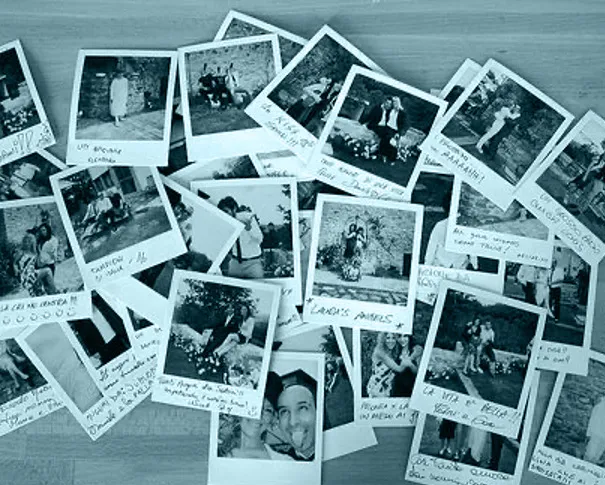
Our lab investigates how experiences are encoded, linked, and transformed over time. We are particularly interested in how memories are structured—how recalling one event can cue others that share a common context—and how that organization shapes what we do (and don’t) remember. Memory is not fixed: it changes as we reinterpret or re-encounter the past, accumulate new experiences, or sleep. One focus of our work is on understanding how memories are updated, whether through prediction errors triggered by surprise, the accumulation of new experiences, or the neurological processes that unfold during sleep.
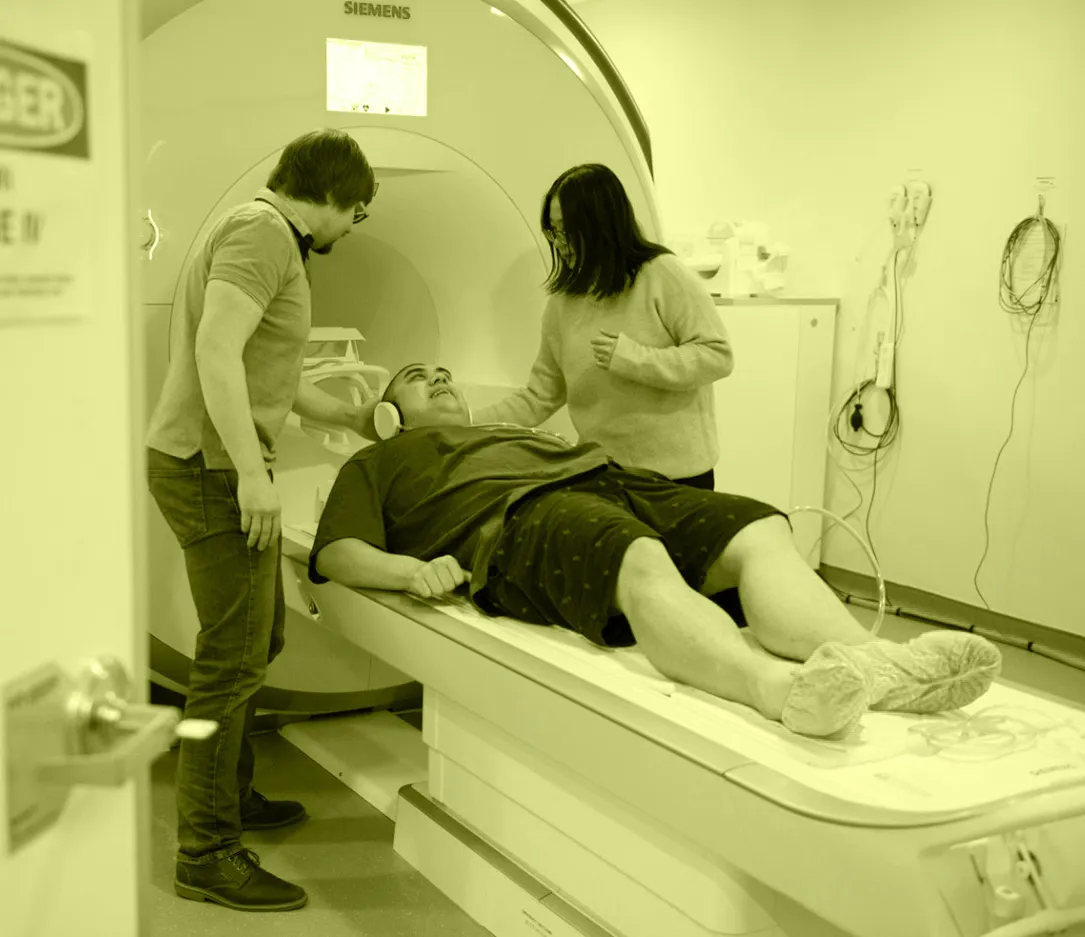
We are examining how sleep contributes to memory transformation across different timescales. This includes investigating how a single night of sleep alters the accessibility, accuracy, and structure of recent experiences, and how real-world memories become more integrated—or more decontextualized—over months and years. We are also exploring how smartphone-based memory cues can be paired with sleep-based reactivation techniques to strengthen meaningful memories outside the lab. Our goal is to understand not only how memory evolves, but how we might harness these dynamics to support memory across the lifespan.
If you’d like to learn more, Morgan discusses some of this research in Derren Brown’s Bootcamp for Memory, The Session with Tom Swarbrick, and on The Brain Made Plain podcast.